XIAMEN OLINK IMPORT & EXPORT CO.,LTD
Specially Develops, Produces and sells connectors / Terminals / wire harness / switches.


-
Give us a call 0592 6536915
-
Email us sophia@fzolink.com
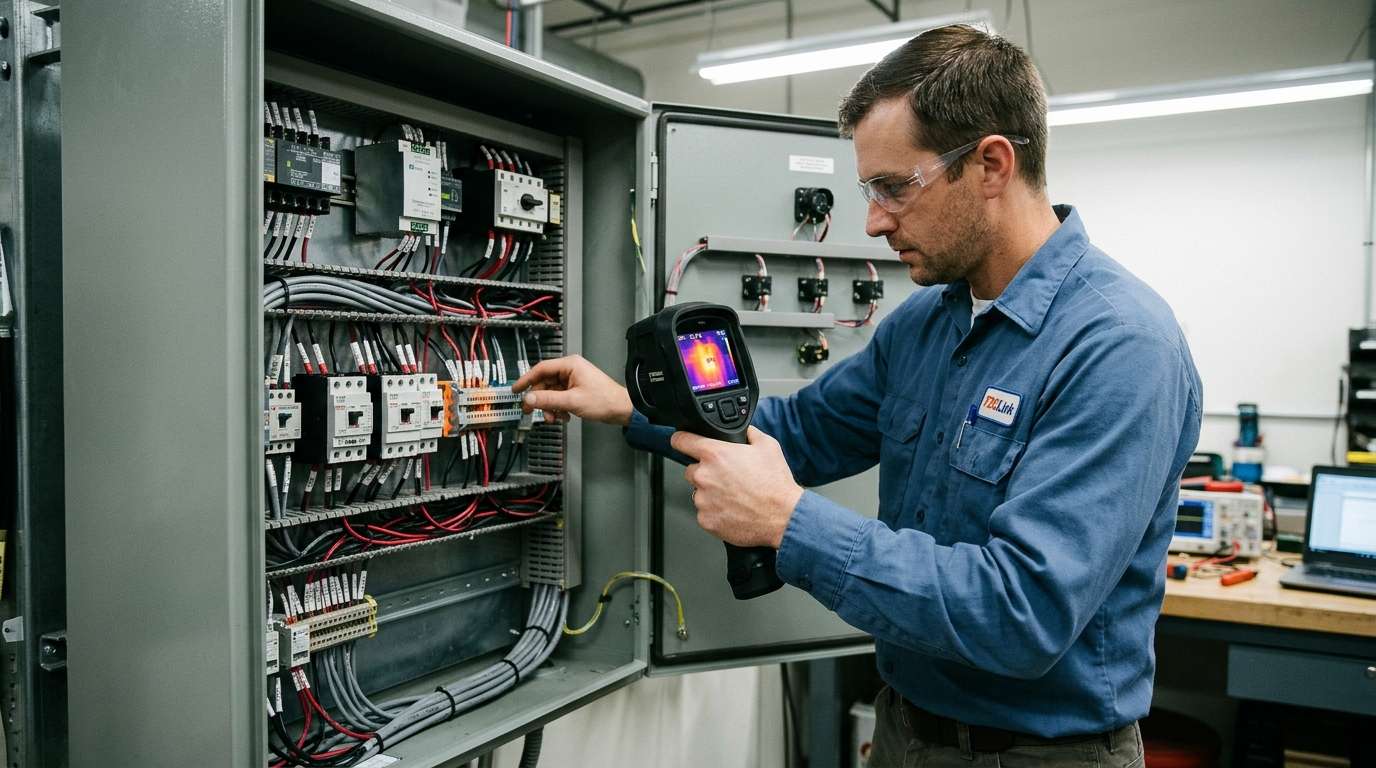
In complex industrial automation systems, renewable energy farms, and heavy-duty vehicles, an electrical network is only as strong as its weakest joint. When a system suffers unexpected downtime, diagnostic investigations frequently trace the root cause back to a localized connection failure. These failures can range from intermittent signal loss in sensitive data lines to catastrophic thermal meltdowns in high-current power circuits. Understanding the physical and environmental mechanisms behind connection degradation is the first step toward robust engineering design. This comprehensive guide analyzes why electrical connections fail and outlines proven preventive strategies employed by top-tier system architects.
Ideally, a mated electrical connection should present zero resistance to current flow. In reality, microscopic surface irregularities mean that current only passes through isolated microscopic contact points (a-spots). When a connection is poorly secured, contaminated, or oxidized, its contact resistance increases.
According to Joule's law, heat generation is directly proportional to electrical resistance ($P = I^2R$). When resistance rises at a high-current joint, localized heat spikes. This elevated temperature accelerates the oxidation of the metal contacts, which increases the resistance even further. This vicious cycle—known as thermal runaway—can quickly melt plastic connector housings, destroy internal spring tension, and ignite surrounding materials.
Industrial machinery, robotic arms, and electric vehicles operate in environments characterized by continuous mechanical vibration and shock. If an electrical interface lacks proper locking retention, micro-motions occur between the male pin and female socket.
This microscopic rubbing scrapes away the noble metal plating (such as gold or tin), exposing the reactive base copper underneath to atmospheric oxygen. The newly exposed metal oxidizes instantly. Over time, these oxidized debris particles accumulate inside the contact zone, creating a highly resistive insulating barrier. This destructive phenomenon is called fretting corrosion, and it is a leading cause of mysterious, intermittent sensor failures in automated factories. To mitigate this, engineers must specify ruggedized industrial circular connectors featuring secure threaded or bayonet locking rings that completely immobilize the contact pins against heavy vibration.
Environmental exposure is another major catalyst for connection breakdown. When humidity, rain, or condensation penetrates an unsealed junction, moisture acts as an electrolyte. If the connector combines dissimilar metals (such as copper and aluminum), a galvanic cell is formed, triggering rapid electrochemical corrosion.
Furthermore, trapped moisture lowers the dielectric withstanding voltage of insulating materials, dramatically increasing the risk of flashover and short-circuiting. Ensuring long-term reliability in outdoor or washdown environments requires deploying high-integrity heavy-duty power transmission interfaces equipped with multi-lip silicone seals and precision cable glands.
Not all connection failures originate from environmental stress; a significant percentage are introduced during the manufacturing and assembly stage. Using incorrect tooling for wire crimping can deform the terminal barrel, reducing mechanical retention force and leaving air pockets where oxidation can thrive.
Similarly, under-torquing screw terminals leaves loose contact pressure, while over-torquing strips threads and fractures the conductor strands. Adopting pre-engineered, factory-terminated custom wire harness solutions eliminates field installation variability and guarantees consistent mechanical pull-force across every single circuit.
| Failure Mode | Root Cause & Symptom | Engineering Prevention Strategy |
|---|---|---|
| Thermal Runaway | High contact resistance causing localized melting and fire risk. | Use silver-plated copper alloys with high spring normal force. |
| Fretting Corrosion | Vibration-induced micro-motion wearing away plating layers. | Deploy vibration-proof locking plugs and robust strain relief. |
| Moisture Short Circuits | Water ingress leading to galvanic corrosion and arcing. | Upgrade to IP67/IP68 sealed housings with silicone gaskets. |
| Poor Crimp Retention | Improper tooling leading to intermittent wire pull-out. | Utilize automated factory-tested wire harness assemblies. |
The primary causes of electrical connection failures include excessive contact resistance leading to thermal runaway, mechanical fretting corrosion caused by constant vibration, moisture ingress resulting in short circuits, and improper torque or crimping during installation.
Fretting corrosion occurs when micro-motions from vibration repeatedly scrape away the protective plating on contact pins. This exposes the base metal to oxidation, creating an insulating oxide layer that drastically increases contact resistance and generates excess heat.
Engineers can prevent connection failures by utilizing vibration-resistant locking mechanisms, selecting appropriate contact plating, ensuring correct terminal crimping torque, and deploying IP67/IP68 rated waterproof enclosures.
Preventing electrical failure begins with superior component design and manufacturing precision. At Xiamen Olink, we engineer high-reliability industrial connectors and custom cable assemblies built to withstand extreme vibration, high thermal loads, and aggressive moisture. Partner with our engineering experts today to eliminate connection risks in your next mission-critical project.
Tel : 0592 6536915
Mobile : 8613950494073
Email : sophia@fzolink.com
Skype : Zheng lris
Whatsapp : 8613950494073