XIAMEN OLINK IMPORT & EXPORT CO.,LTD
Specially Develops, Produces and sells connectors / Terminals / wire harness / switches.


-
Give us a call 0592 6536915
-
Email us sophia@fzolink.com
Waterproof connectors are widely used in outdoor lighting, industrial automation, marine equipment, renewable energy systems, and many other applications exposed to moisture and harsh environments. While manufacturers often rate their products as IP67 or IP68, proper installation and regular inspection are essential to ensure reliable waterproof performance.
A connector labeled as waterproof does not automatically guarantee protection if it is installed incorrectly, damaged during use, or paired with incompatible cables. This guide explains several simple methods for connector waterproof testing and helps you verify whether your waterproof connectors are truly protecting your electrical systems.
Water intrusion can lead to various problems, including:
Even a high-quality IP67 waterproof connector can lose its sealing performance if the sealing components become damaged or improperly assembled.
Regular inspection and testing help identify potential issues before they result in costly downtime.
The first step in evaluating waterproof performance is a visual inspection.
Check the following:
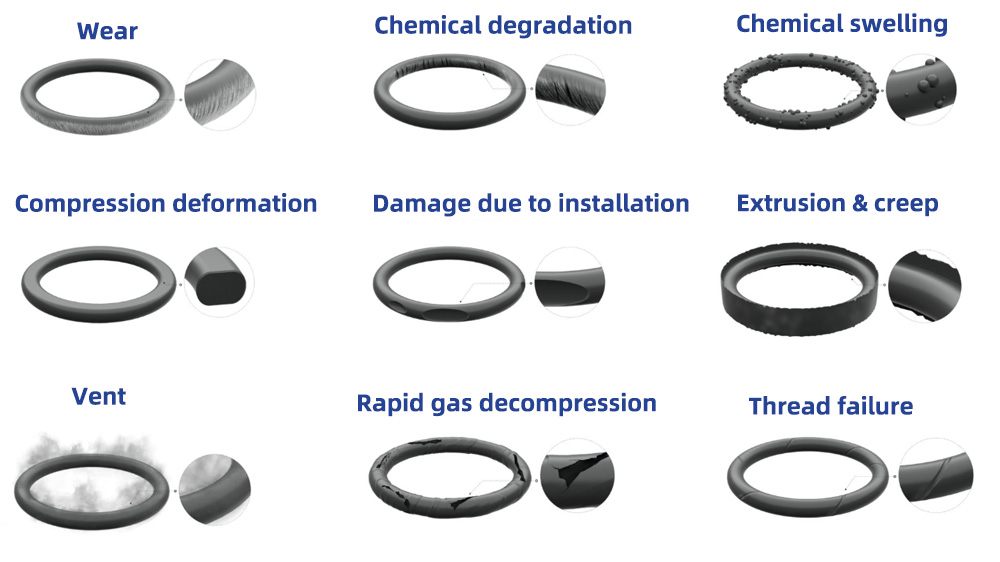
A damaged sealing element can significantly reduce the waterproof capability of the connector.
Good Condition:
Warning Signs:
One common cause of water leakage is using a cable that does not match the connector’s specified cable diameter range.
Most waterproof connectors rely on compression seals that tighten around the cable jacket. If the cable is too small, the seal may not compress properly.
Before installation:
Using the correct cable size is one of the simplest ways to maintain waterproof integrity.
Improper assembly is another major reason waterproof connectors fail in real-world applications.
When assembling the connector:
Many waterproof failures occur not because of product defects but because the connector was not fully secured during installation.
A practical method of connector waterproof testing is controlled water exposure.
For connectors used in outdoor environments:
For products rated as an IP67 waterproof connector:
Always follow the manufacturer's recommended testing conditions and IP rating limits.
After water exposure, carefully inspect the connector interior.
Look for:
Even a small amount of moisture may indicate a sealing issue that requires attention.
Using a flashlight can help reveal hidden signs of water ingress.
Some waterproof failures only appear after months of operation.
During routine maintenance, inspect connectors for:
Environmental factors such as UV exposure, temperature fluctuations, vibration, and chemical exposure can gradually affect sealing effectiveness.
Regular inspections help ensure continued reliability.
An IP67 waterproof connector is designed to provide:
However, the IP rating is achieved under controlled testing conditions. Actual performance depends heavily on proper installation, maintenance, and operating environment.
Therefore, field verification remains an important part of ensuring long-term waterproof performance.
Avoid these common errors:
Correct testing procedures provide more reliable and meaningful results.
Testing whether your waterproof connectors are truly waterproof does not always require specialized laboratory equipment. By inspecting sealing components, verifying cable compatibility, performing basic water exposure tests, and monitoring long-term performance, you can significantly reduce the risk of water ingress and equipment failure.
Whether you are working with an IP67 waterproof connector in industrial automation, outdoor lighting, renewable energy systems, or marine applications, regular connector waterproof testing is an essential part of maintaining reliable electrical connections.
A well-designed connector combined with proper installation and routine inspection is the best way to ensure lasting waterproof protection in demanding environments.
Tel : 0592 6536915
Mobile : 8613950494073
Email : sophia@fzolink.com
Skype : Zheng lris
Whatsapp : 8613950494073